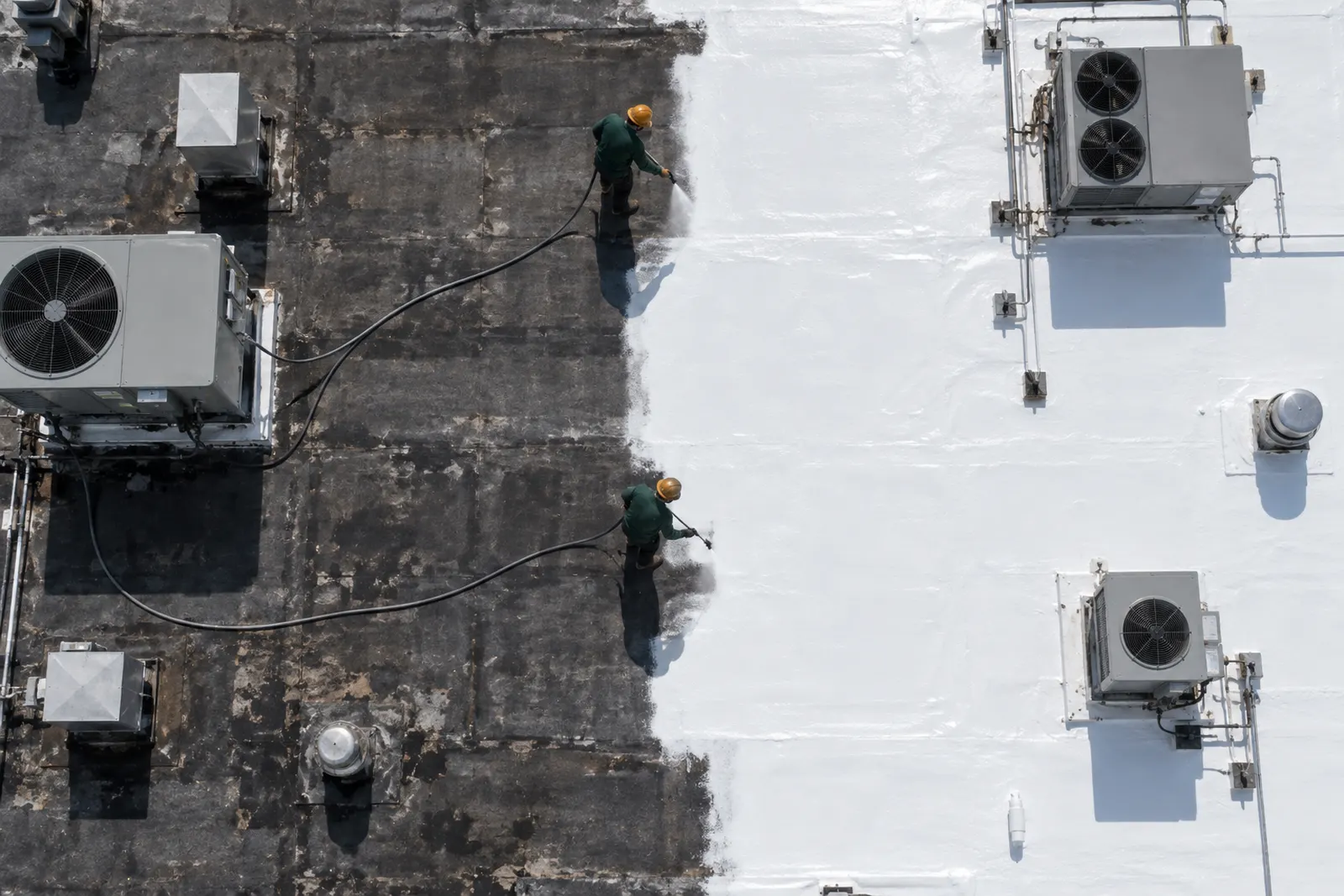
Whole Low-Slope Roof
Full Silicone System
Wash, prime where the maker calls for it, detail screws and laps, then silicone across the whole field. This fits warehouses and shops whose entire roof runs at a low pitch.
Metal roof prep and detailing
Silicone roof coating for Georgetown buildings where water sits after rain: low-slope metal, gutter lines, flat spots behind units, and panels dented by hail.
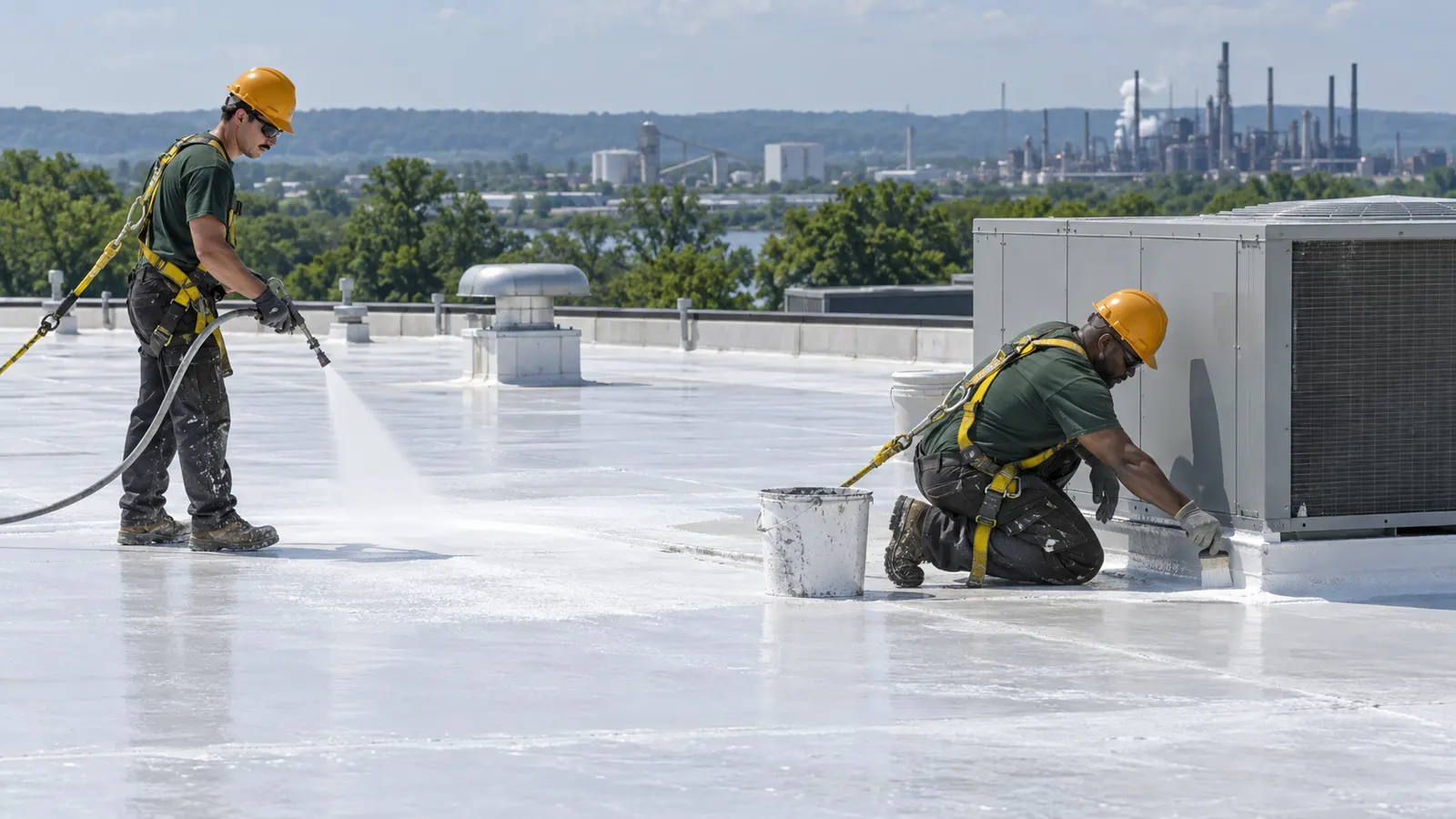
Silicone earns its place where water lingers. It is the wrong product where the real problem is drainage or framing.
Silicone work starts by finding every spot where water stays after a storm. These five places hold it most often.
Water backs up at the eave when gutters fill with leaves, and older low-pitch panels sag near the edge. Puddles along the gutter line are the most common reason owners ask about silicone.
NWS Louisville reported hail across the Lexington metro in March 2024. Dents deep enough to hold water leave small pools on low-slope panels, and those pools are where acrylic softens and silicone holds.
Units and curbs act like small dams on a low roof, catching runoff on their uphill side. Fabric at the curb seams and a heavier silicone coat cover the wet zone behind each one.
End laps near the eave sit at the bottom of a long run and collect water and dirt. They are cleaned, sealed full width, and given extra material because water reaches them first.
When water sits for days, a bent purlin or failed clip is usually the cause. That framing gets fixed before any coating, because silicone resists ponding but cannot correct a sagging deck.
Silicone goes on in one of three ways. The roof walk decides which.
Wash, prime where the maker calls for it, detail screws and laps, then silicone across the whole field. This fits warehouses and shops whose entire roof runs at a low pitch.
Metal roof prep and detailing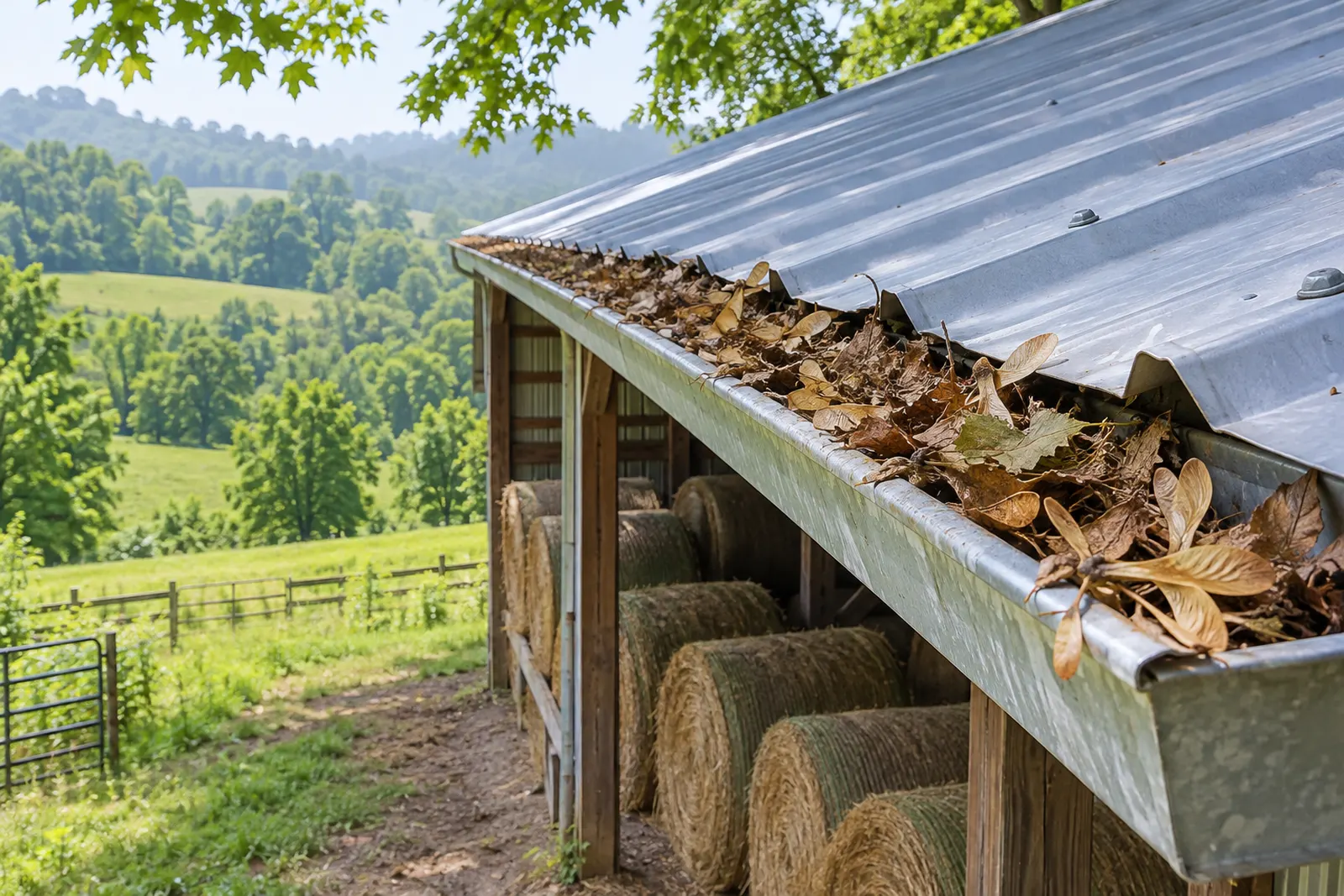
On pitched roofs with water only at the gutter line, silicone covers the lower panel courses and gutter interiors while another product covers the steeper field above.
Acrylic for the pitched field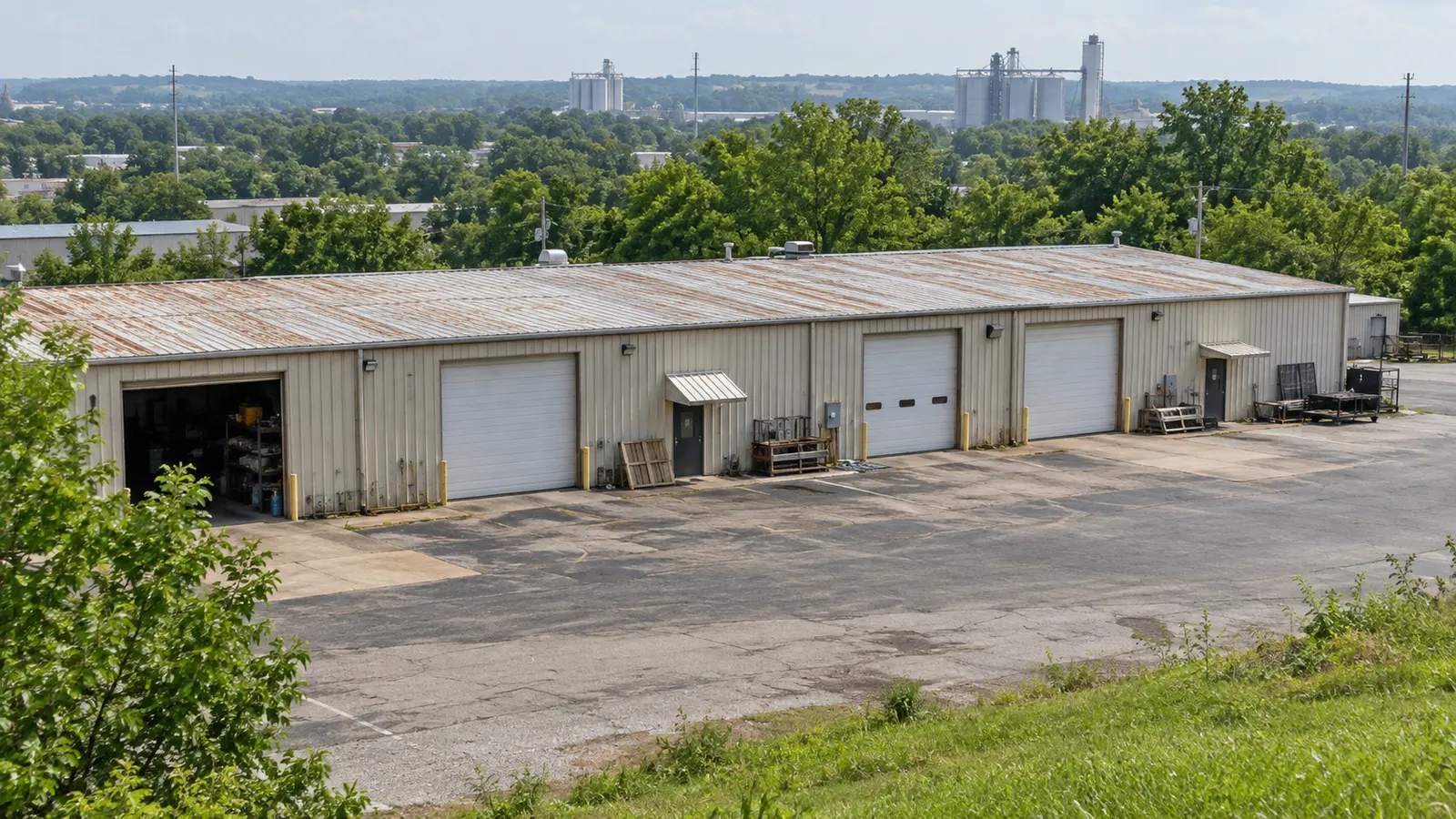
Roofs already coated in silicone get cleaned, spot-repaired with the same product, and recoated with silicone, since most other coatings bond poorly to it.
What silicone does well on a low-slope metal roof once the drainage problems are fixed.
Silicone resists breaking down where water stands after rain, which is why it goes on gutter lines, flat spots, and dented panels that acrylic would soften on.
Cooler, damper air suits silicone better than water-based acrylic, so jobs can run later into fall when Georgetown mornings turn cold and dew lingers on the panels.
A white silicone topcoat reflects more sunlight than faded steel. It does pick up dirt over time, so a rinse during yearly checks helps keep the surface bright.
Cracks from hail or a dropped tool are patched with the same silicone. Keeping the product name and batch from the first job makes those repairs simple to match.
Tell us where the puddles form and how long they last. Water that clears in a day points to silicone; water that sits for days points to a framing or gutter fix first.
The same five steps on every low-slope roof, with drainage checked before any silicone goes down.
We map where water sits, measure how long it stays, and check the purlins below the wettest spots. Screws, laps, and gutters get the same close look as on any metal roof.
On The Roof
Clogged gutter outlets are cleared, bent purlins are reported for repair, and low spots caused by framing are corrected before coating. Silicone goes on a roof that drains as well as it can.
At The Building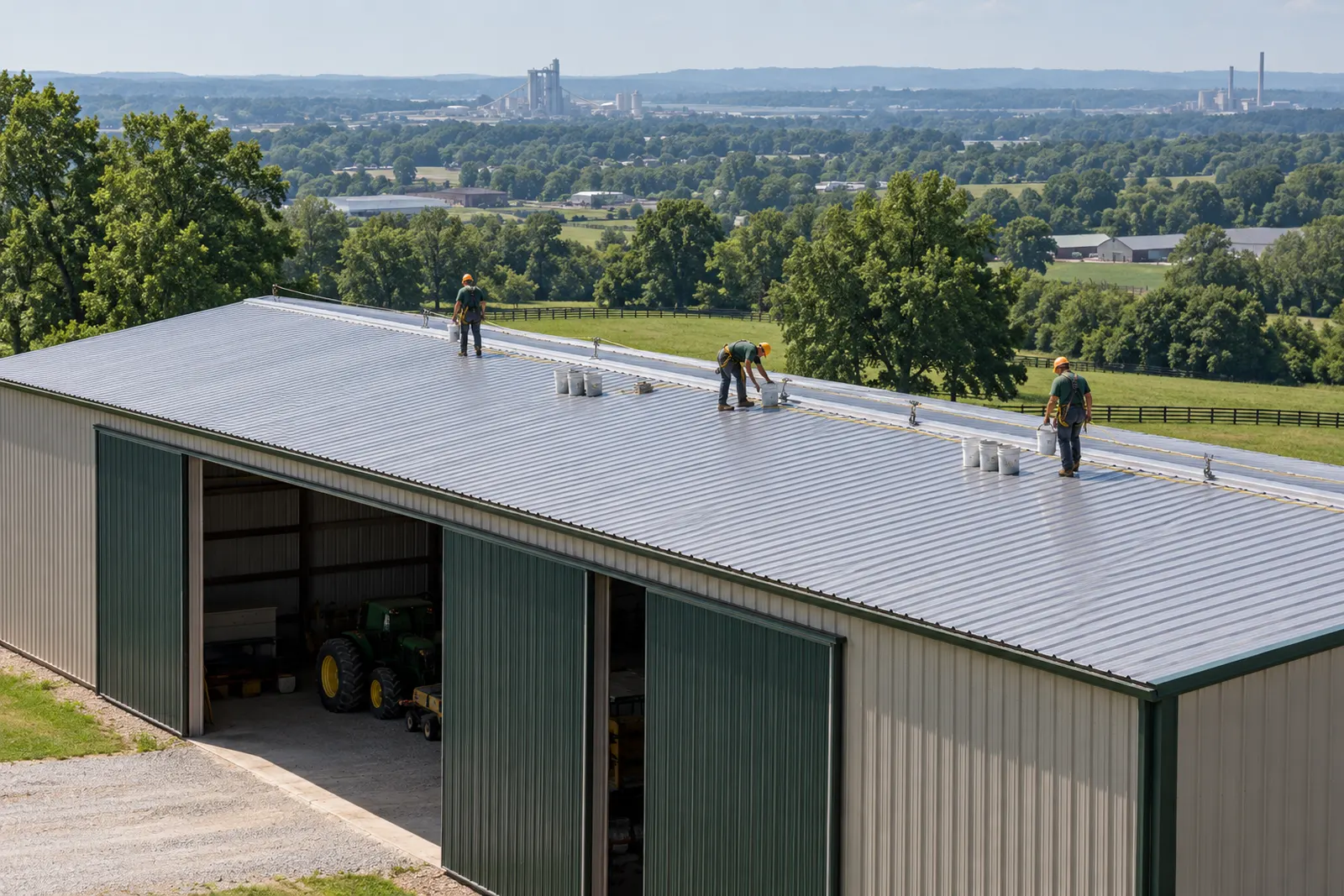
Pressure washing removes dirt and chalking paint. Rusted laps and bare spots get primer, and any primer-free system on factory paint waits until a test patch is coated and pulled to check the bond.
On The RoofScrews, laps, and curbs get detail coats, then silicone goes across the field with extra material at gutter lines and behind units where water collects.
On The RoofWet film readings, the product name and batch, and photos of each section go to the owner, which makes future silicone patches easy to match.
PaperworkSilicone often shares a building with another system.
Metal roof coating covers the pitched field of the same building, with the screw and lap work every steel roof needs before any coat.
Acrylic is the better choice for steep, fast-draining sections, so many buildings use acrylic above and silicone at the wet gutter line.
Spray foam can be tapered to fill low spots and steer water to the gutters, which helps roofs where ponding comes from a flat profile.
Ponding, hail, primers, and recoats on Georgetown low-slope roofs.
Silicone wins where water lingers on the panels, and acrylic is the usual pick on pitched roofs that drain fast. Silicone resists ponding but holds dirt; acrylic stays bright but softens under standing water. Urethane covers a third role on walkways and high-traffic areas. The maker product data sheets settle the final pick for each panel type and slope.
Yes, it is the coating most often chosen where some water sits after rain, because it resists breaking down under standing water. The trade-offs: dirt sticks and dulls reflectivity, later recoats need silicone, and wet silicone is slick, so walkway pads around units help. Ponding that lasts for days points to a bent purlin or clogged outlet, fixed first.
It can. Hail dents panels, and a large stone can crack the coating at the dent or split it along a seam. After a storm, look for dents that now hold water, cracked coating at ridge caps and ribs, broken skylight panels, and coating flakes in downspouts. Photograph everything first; small cracks are patched with the same silicone.
Most do. Treated rust gets a rust-inhibiting primer and galvanized or Galvalume panels get a bonding primer, as the coating maker specifies. Some silicone systems skip primer on clean, factory-painted panels that pass an adhesion test, so a test patch is coated and pulled after it cures before the full field goes on.
In most cases no. Most other coatings bond poorly to silicone, so a silicone roof is recoated with silicone. That is worth knowing before the first coat: choosing silicone commits the roof to silicone recoats, which is fine for low-slope metal that holds water and limits choices on steeper sections.
Wet silicone is slick, so walkway pads go down along the paths service techs use to reach rooftop units, fans, and drains. Pads also protect the coating from boot wear at the busiest spots. We mark those paths on the roof walk and add them to the plan before coating starts.
Tell us where water sits on your roof and how big the low-slope area is, and we will follow up with a roof walk.
Leave a name and number and we will call to talk through the leak, rust, or coating question. Or call us now at (502) 293-5467.