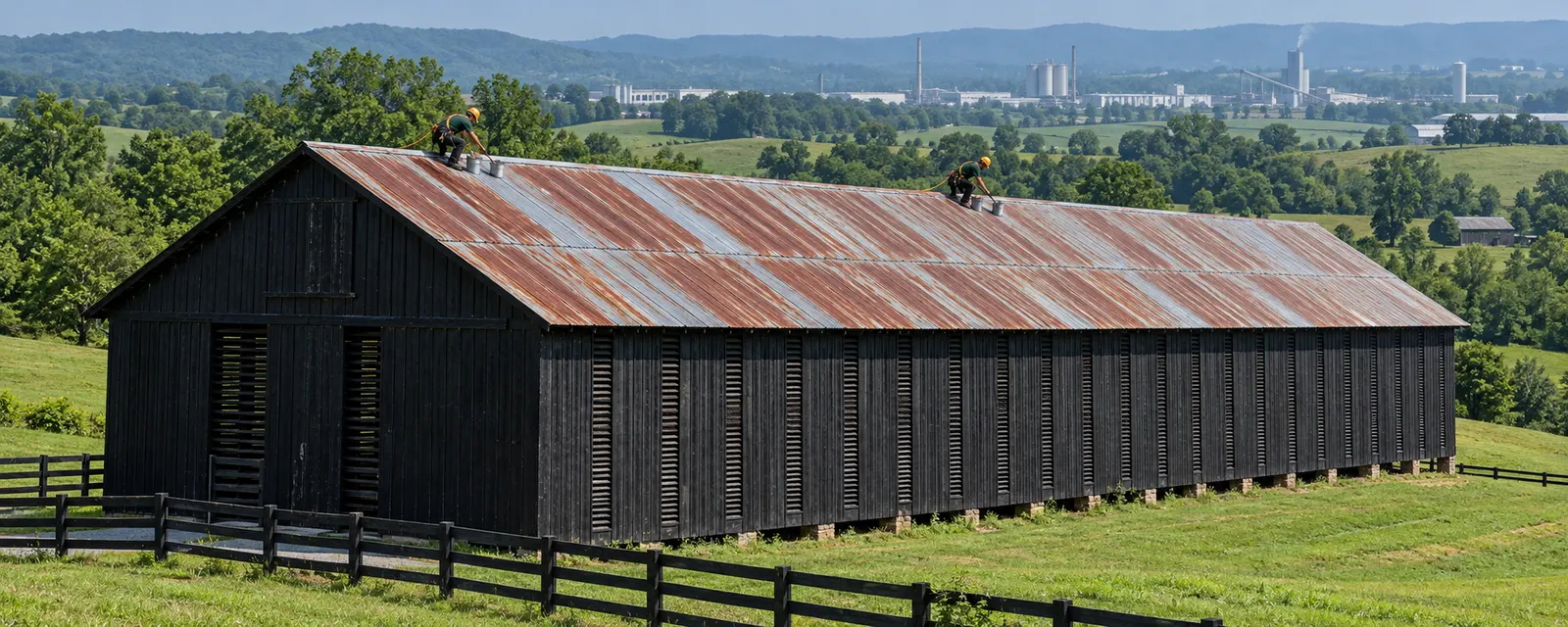
Faded Or Leaking Panels
Coat
Clean, treat rust, seal every screw and lap, then apply a base coat and topcoat. This fits roofs where the steel is intact and leaks come from fasteners, laps, and skylight edges.
Silicone for low-slope sections
Commercial metal roof coating for Georgetown plants, warehouses, and shops: rust treated, every screw dealt with, laps sealed, then a two-coat system across the panels.
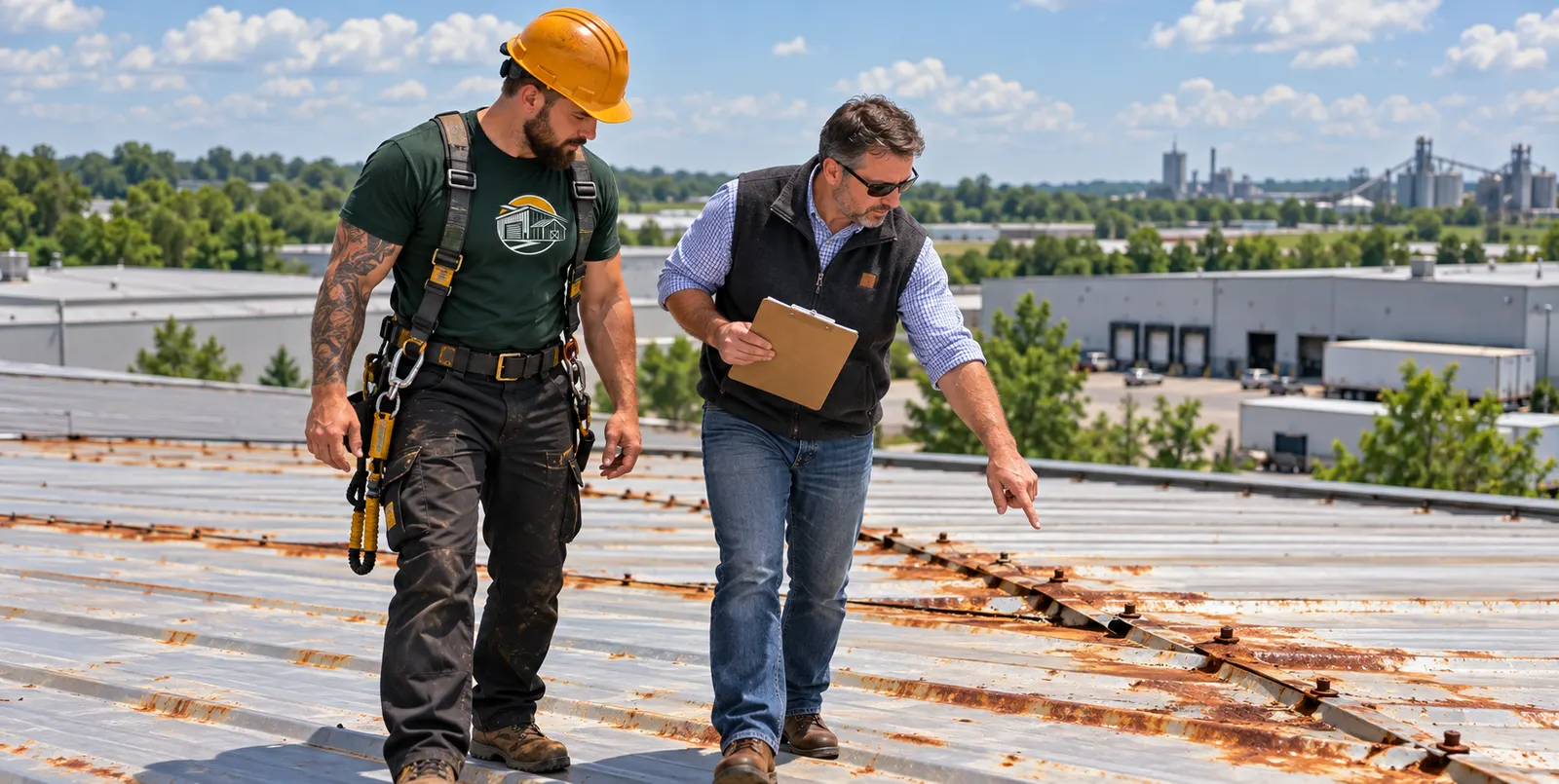
Metal roof coating fits steel that is still attached and mostly intact. The left column lists what we like to see; the right column lists work that comes first.
On a plant or shop roof, the coating job is really five jobs, one for each zone where steel roofs fail.
Red rust gathers along the lowest panel course and inside gutters, where water sits longest. We brush or grind it back to firm steel, prime it, and cut out any panel with holes before coating.
On a big R-panel roof the screw count runs into the thousands. Loose ones are tightened, stripped ones go oversize, rusted heads are swapped, and every head gets mastic, a cap, or a brushed detail coat.
Each lap is cleaned, opened enough to treat rust, and sealed full width with mastic, fabric, or butyl-backed tape. A lap that flexes underfoot gets stitch screws first so the seal sits on a joint that holds still.
Long panel runs grow and shrink with Kentucky temperature swings, which loosens screws at ridge caps and end laps. Reinforcing fabric there gives the coating extra stretch where movement is greatest.
Exhaust fans and unit curbs on plant roofs get fabric at every seam where they meet the panel ribs. Brittle fiberglass skylight panels are replaced or lap-sealed, and coating is kept off the clear areas.
Three levels of work cover most Georgetown metal roofs. The rust and framing found on the roof walk decide which one fits.
Clean, treat rust, seal every screw and lap, then apply a base coat and topcoat. This fits roofs where the steel is intact and leaks come from fasteners, laps, and skylight edges.
Silicone for low-slope sections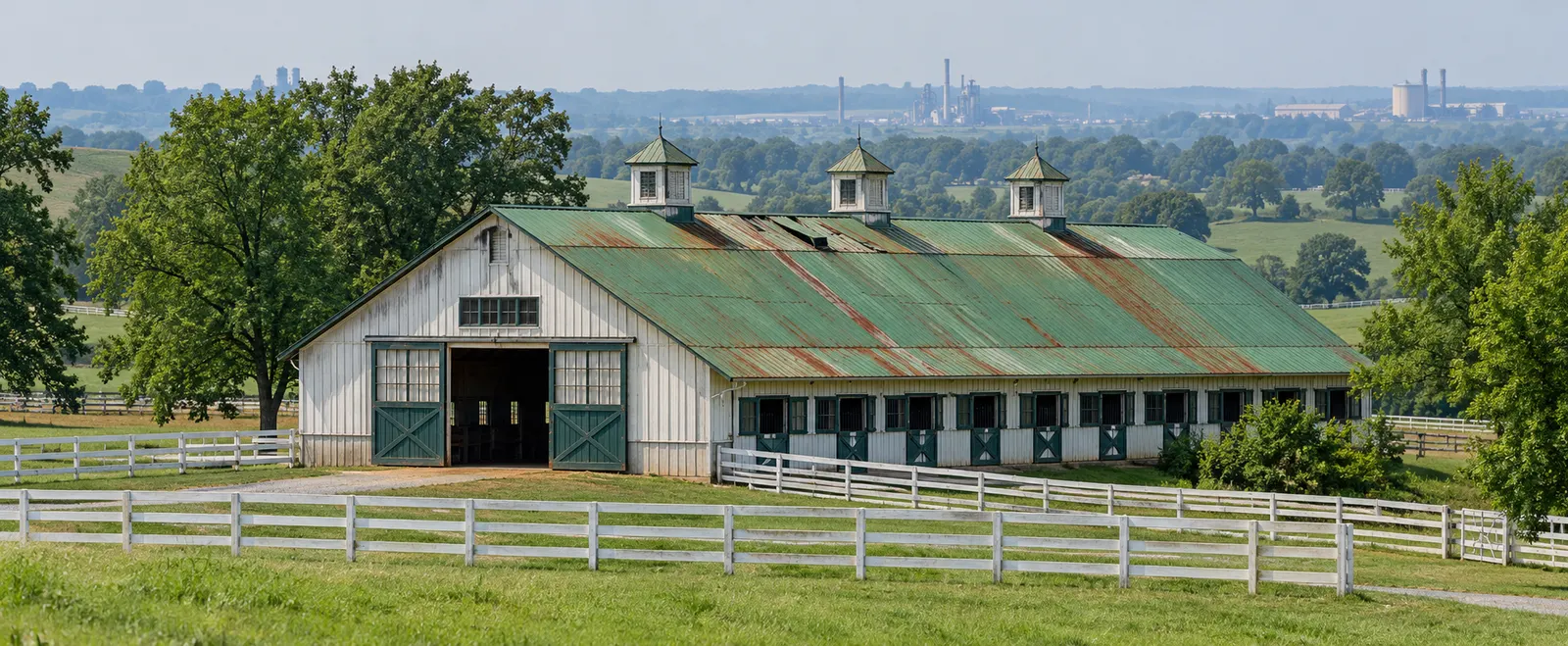
A coating plus new screws throughout, spot panel swaps where rust has gone through, and new ridge caps or trim. Restoration keeps the roof in service when damage is patchy but the framing is firm.
Acrylic for pitched restorations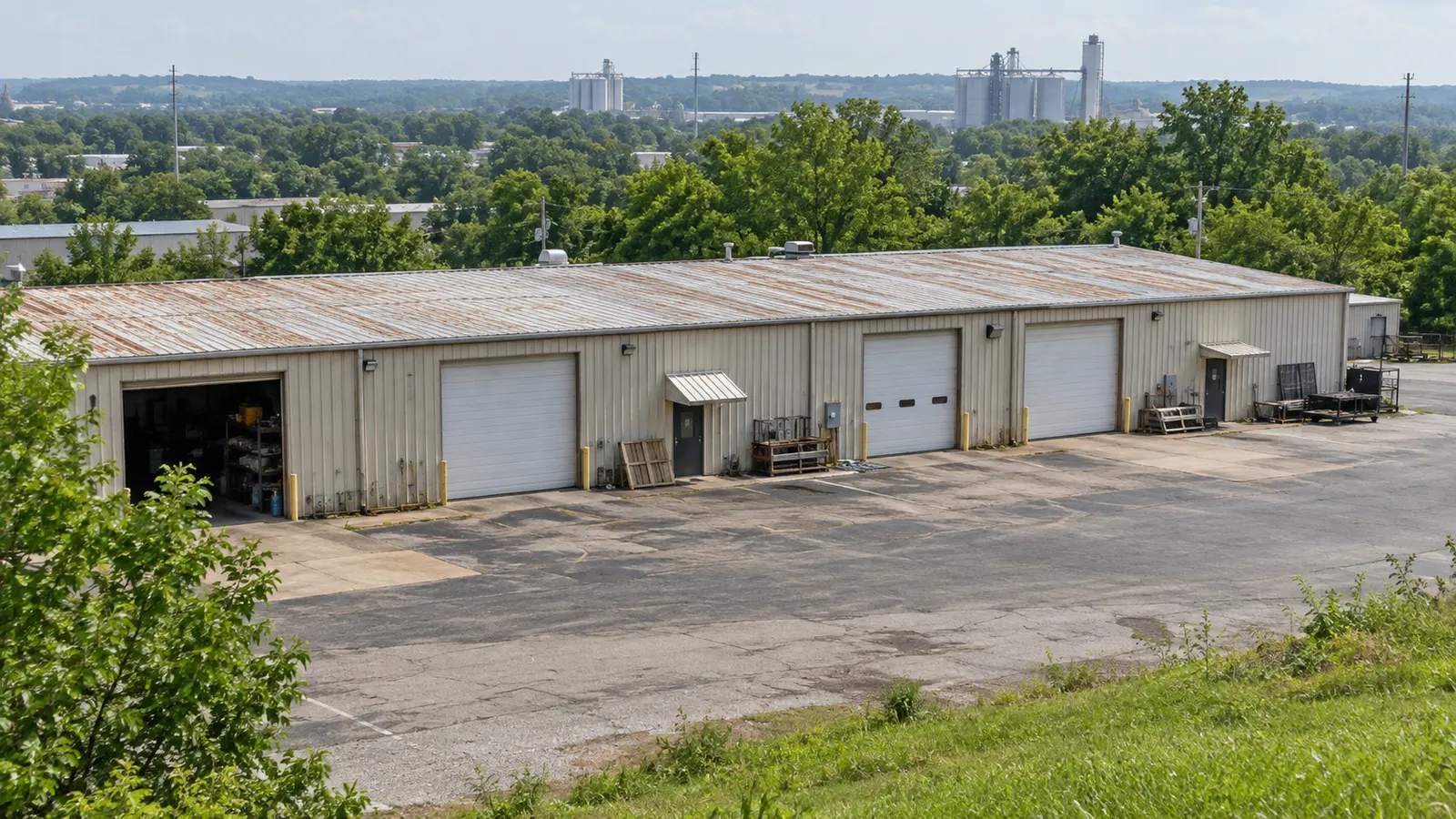
Closed-cell foam sprayed over the panels fills the corrugations, buries the screws, and adds insulation, then a topcoat protects it. Plants that run hot or need more R-value take this route.
Spray foam roofing over metalQualified benefits for a metal roof that passes the roof walk. Each one rests on the prep under the coating.
Thousands of screw holes and dozens of laps sit under one film once each head and joint is detailed. Water has to beat a continuous membrane rather than a dried washer.
Primed rust spots and treated laps stay dry under the coating, so bloom at fasteners and along eaves stops spreading. Holes are patched or panels swapped before that first coat goes on.
Purlins, panels, and insulation remain where they are, and production continues underneath. Owners skip tear-off, hauling, and the long shutdown a new roof brings to an operating plant.
Product names, gauge readings, and section photos give the next crew a starting point. Recoating with the same product family later builds on the existing film instead of starting over.
Send photos of the eave line and gutters with your estimate request. Rust along the bottom panel course tells us a lot about the roof before the first walk.
Five steps, the same on every metal roof, with the screw and lap work done before any field coat.
We grade rust panel by panel, test screws for grip, flex the laps, and look at gutters and skylights. From inside, stained or sagging insulation shows where water has been getting through.
On The Roof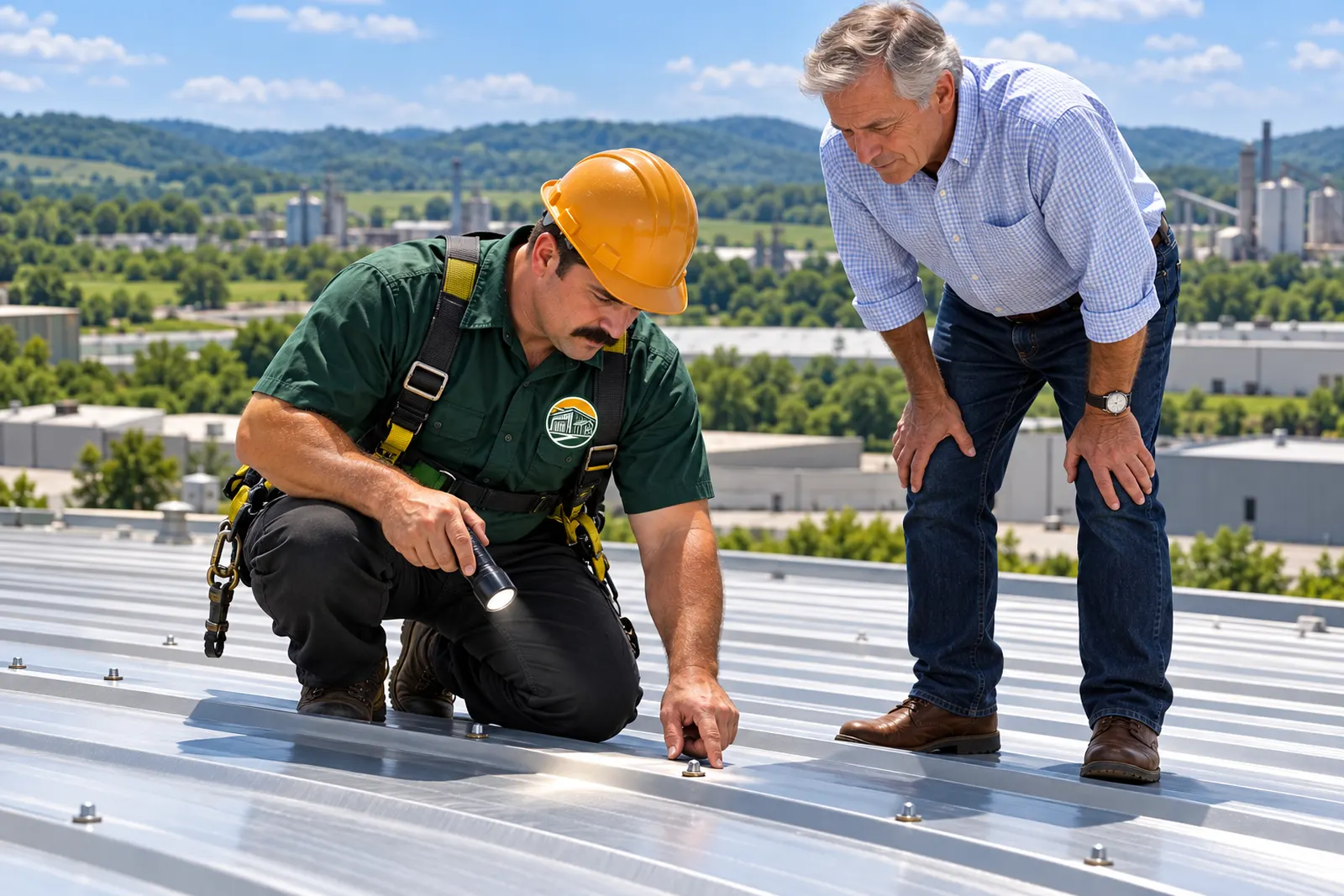
Pressure washing with a cleaner matched to the coating strips dirt, chalking paint, and oil. Rust bloom is wire brushed or ground, scale comes off the laps, and the panels dry fully.
On The Roof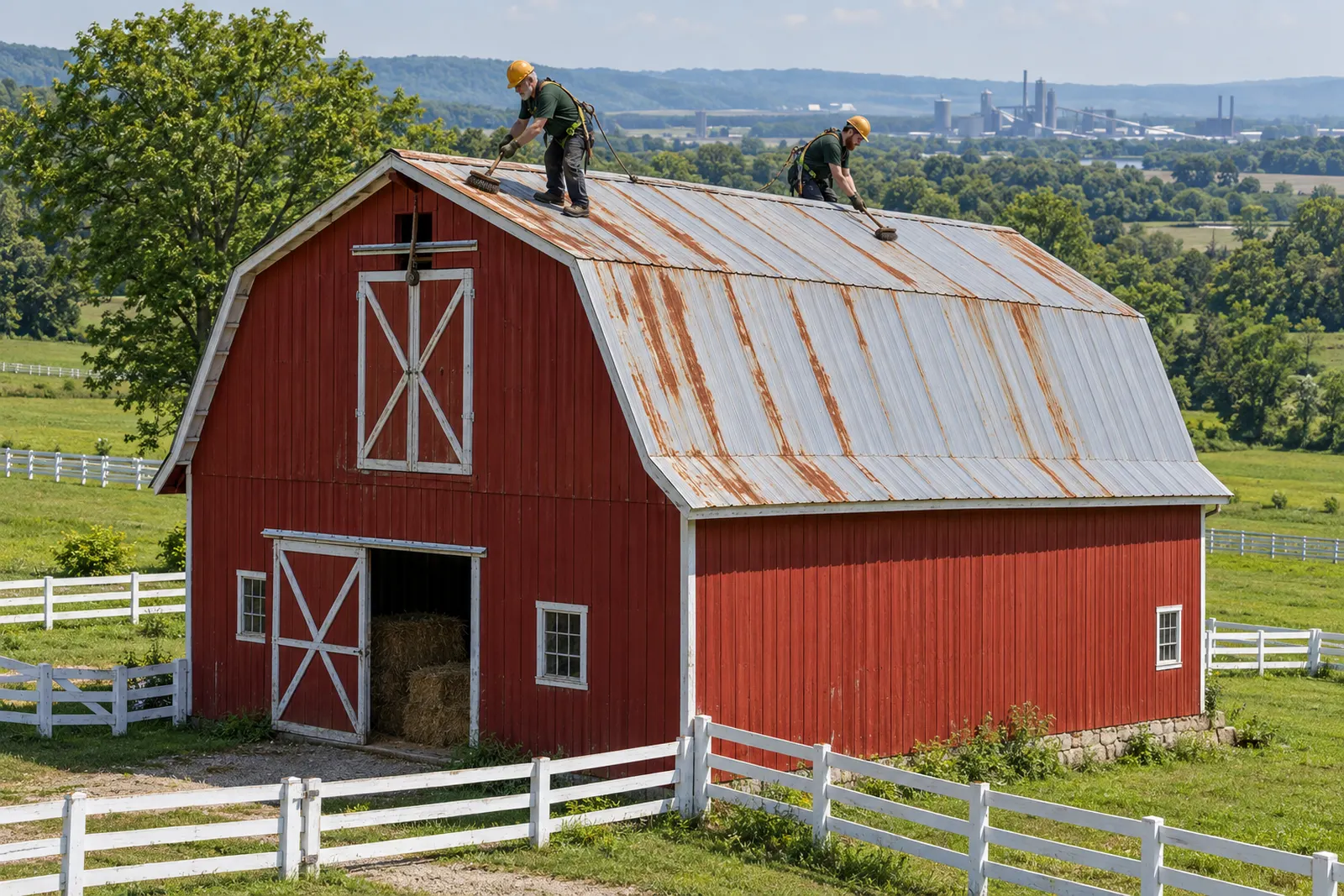
Rust-inhibiting primer goes on treated rust, and bonding primer on galvanized or Galvalume where the maker calls for it. Screws are sealed and laps get fabric or tape.
On The RoofBase coat and topcoat go on across flats and ribs. Ribs on R-panel come out thinner than the flats, so spray passes are adjusted to cover both evenly.
On The RoofA wet film gauge is used during each pass, small cured test cuts confirm dry thickness, and the gallons used are compared with the roof area for the owner record.
PaperworkMetal roofs often need a second system on part of the building.
Silicone goes on the flat sections near gutters and behind units where water stays after rain, alongside the metal coating on the pitched field.
Spray foam suits metal buildings that need insulation as well as leak repair, because it covers every screw under a continuous layer.
Acrylic keeps steep, fast-draining panels bright white and is the easy product to recoat in later years.
Answers about rust, screws, laps, and permits on Georgetown metal roofs.
Roofs whose panels are still firmly attached and whose steel shows surface rust rather than holes. Purlins, clips, and framing have to be solid first. Good signs include faded or chalky paint, rust around screw heads and along laps, leaks traced to fasteners or skylight edges, and panels with few deep hail dents.
Yes. Exposed-fastener R-panel takes far more detail work because every screw and every lap can leak, so each head is tightened or replaced and sealed. Standing seam hides its clips under raised seams, so prep centers on seam ends, panel terminations, and penetrations. Older standing seam with dried seam sealant gets the full lap treatment too.
Yes, once loose rust is removed and the remaining surface is treated with a rust-inhibiting primer. Coating straight over flaking red rust traps it, and the film peels as rust keeps growing underneath. Light orange staining primes well, heavy rust at eaves and gutters gets the most work, and panels with holes are patched or replaced first.
That is white rust, the chalky buildup left as the zinc layer on galvanized steel corrodes. It shows on newer bare panels, around screw heads, and where water lingers at laps. It blocks adhesion, so it is scrubbed off and rinsed before primer, and an adhesion test patch confirms the bond before the full roof is coated.
Rubber washers under the screw heads dry out, crack, or get crushed from over-tightening, and years of panel movement wallow out the holes. Before coating, crews go screw by screw: tightening ones that still bite, replacing stripped ones with oversized screws, swapping rusted heads, and covering each head with mastic, a cap, or a brushed detail coat.
With a brush-grade mastic, a reinforcing fabric, or a butyl-backed tape, then covered by the field coat. End laps cross the slope and take water straight in, so they leak more often than side laps. Each one is cleaned, opened enough to treat rust, sealed along its full width, and stitch-screwed first if it flexes.
Yes, by working section by section. Georgetown industry includes Toyota Motor Manufacturing Kentucky, which Toyota describes as about nine million square feet of plant on 1,300 acres, along with warehouses and plants of many sizes. On long panel runs, end laps and ridge-cap screws get reinforced first, and roof access is planned around shift changes and dock traffic.
Georgetown Building Inspection, a city office, handles commercial plan review and inspection and enforces the joint Georgetown and Scott County zoning ordinance. Have the roof area, panel type, planned coating system or foam thickness, and any panel, gutter, or skylight replacements ready. Owners outside city limits should ask the same office which reviewer applies.
Tell us about the panels, the leaks, and the rust, and we will follow up with a free estimate and a roof walk.
Leave a name and number and we will call to talk through the leak, rust, or coating question. Or call us now at (502) 293-5467.