Shingles In Good Shape
Shingle Coating
Clean, repair flashing and boots, then a thin flexible shingle coating approved for granulated surfaces. This extends a roof that is still flat and holding granules.
Shingle roof coating for Georgetown strip centers, offices, and churches whose asphalt shingles still lie flat and hold their granules, with the maker approval checked first.
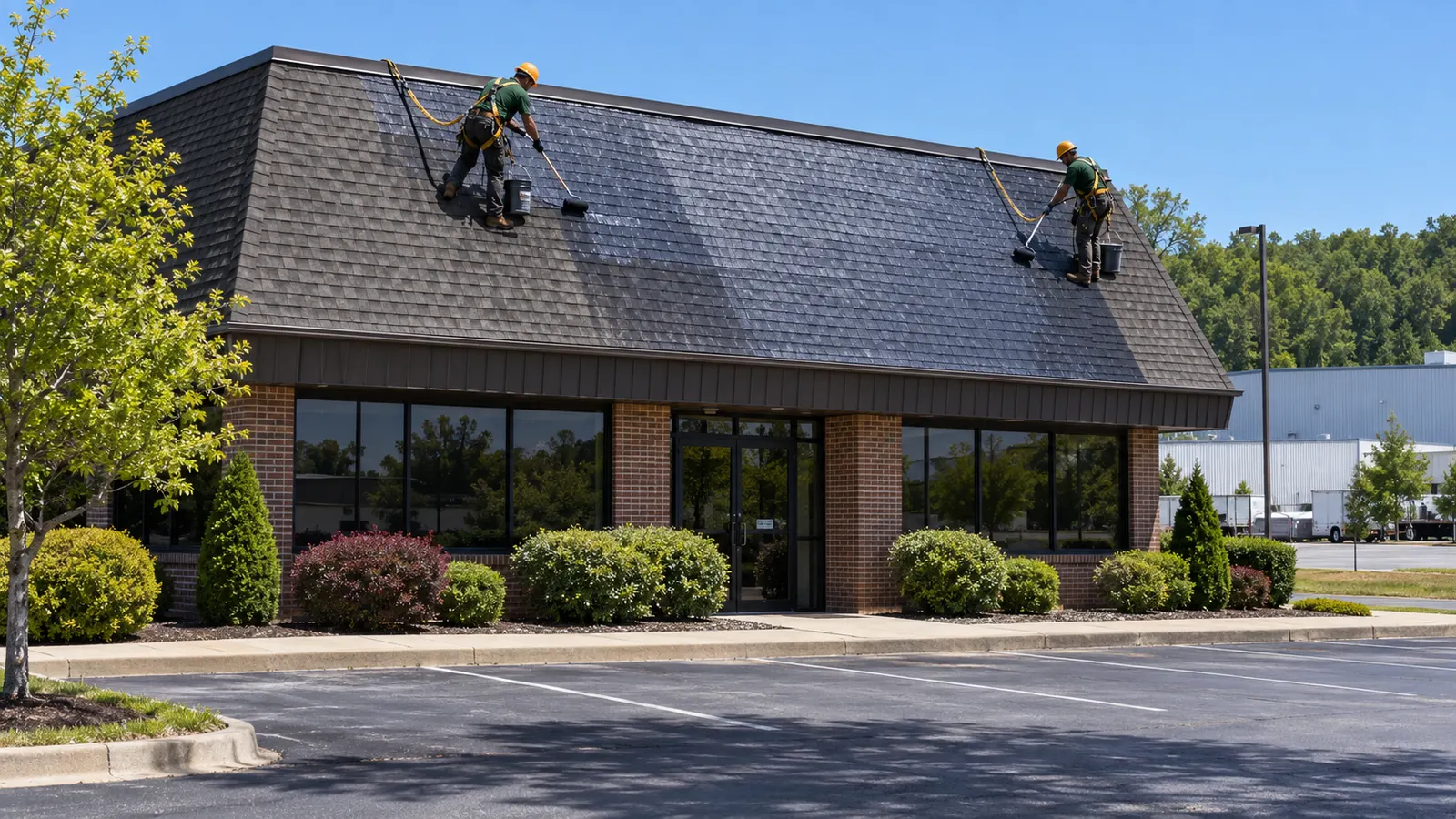
A shingle coating extends a roof that is still in good shape. It is a poor fix for one already leaking through the deck, and we say so on the roof walk.
Shingle coating has a narrow gate. These five checks decide whether a commercial shingle roof gets coated or replaced.
Curled or cupped tabs show a roof near the end of its life. Flat tabs that still seal to the course below are the first sign a coating can work.
Granules shield the asphalt from sunlight and give the coating something to grip. Bare patches down to the mat, or gutters full of granules, point toward replacement.
Terms on the existing shingles can be affected by coating. We ask the owner for any paperwork and check the shingle and coating maker guidance before quoting.
Step flashing at walls, valley metal, and pipe boots are where shingle roofs leak first. These get repaired with matching materials before any coating goes over the field.
Many shingled buildings have metal entry canopies or low-slope back sections. Those parts get their own metal or silicone coating during the same visit.
Three directions a commercial shingle roof takes after the roof walk.
Clean, repair flashing and boots, then a thin flexible shingle coating approved for granulated surfaces. This extends a roof that is still flat and holding granules.
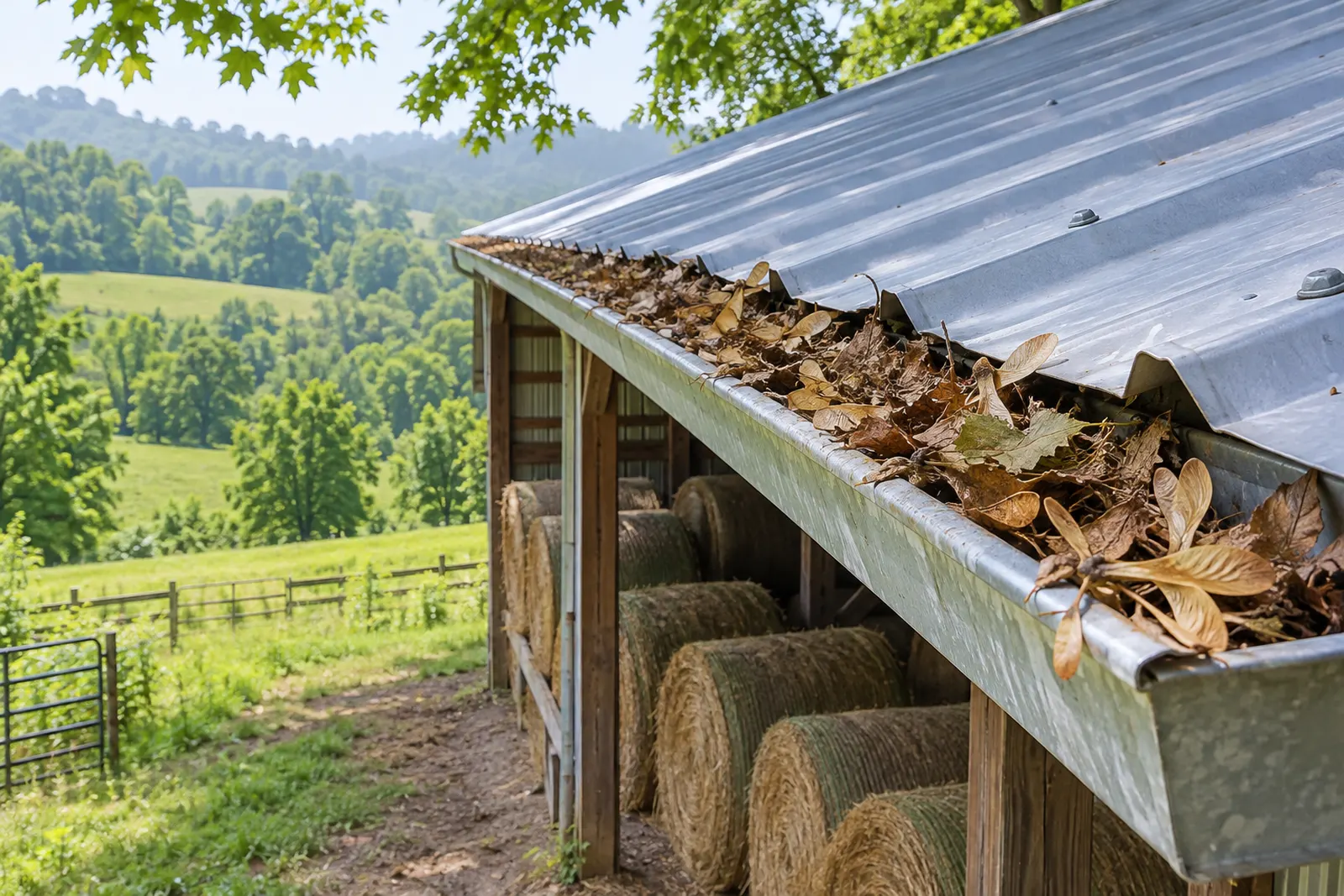
Strip centers and churches often pair shingled fronts with metal canopies or flat rear roofs. Each section gets the system made for it in one visit.
Metal coating for canopies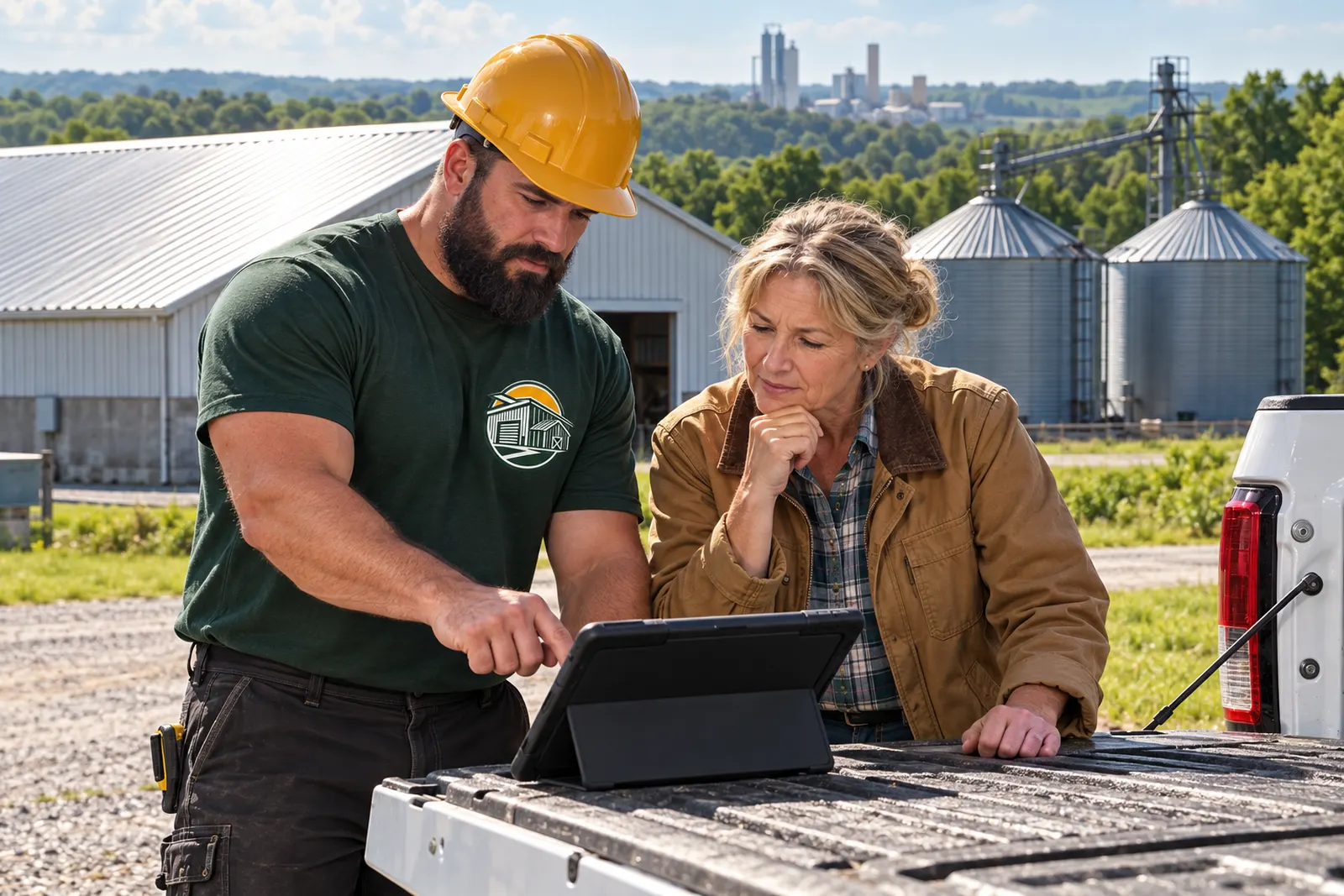
When tabs curl and granules are gone, coating money is better spent toward new shingles. We tell owners that plainly and stick to the sections that can still be coated.
Silicone for flat sectionsQualified benefits for a shingle roof that passes the inspection gate.
A flexible coating locks loose granules to the shingle surface, slowing the wear that sends them into gutters and downspouts.
Small gaps at tab edges get bridged by the coating, which helps where wind lifts shingles and drives rain under them.
Coating a roof that is still in good shape pushes back the cost and disruption of a full tear-off on an occupied office or church.
Shingled sections, metal canopies, and flat back roofs can be handled in the same project, so tenants see one set of crews and one schedule.
Send a few photos of the shingle field and the gutters with your request. We will tell you whether coating is worth it before any work is planned.
Five steps, with the go or no-go call made on the roof walk.
We check tabs, granule cover, flashing, valleys, and the deck from below where we can, and feel for soft spots underfoot. Any maker paperwork the owner has is reviewed at this step.
On The Roof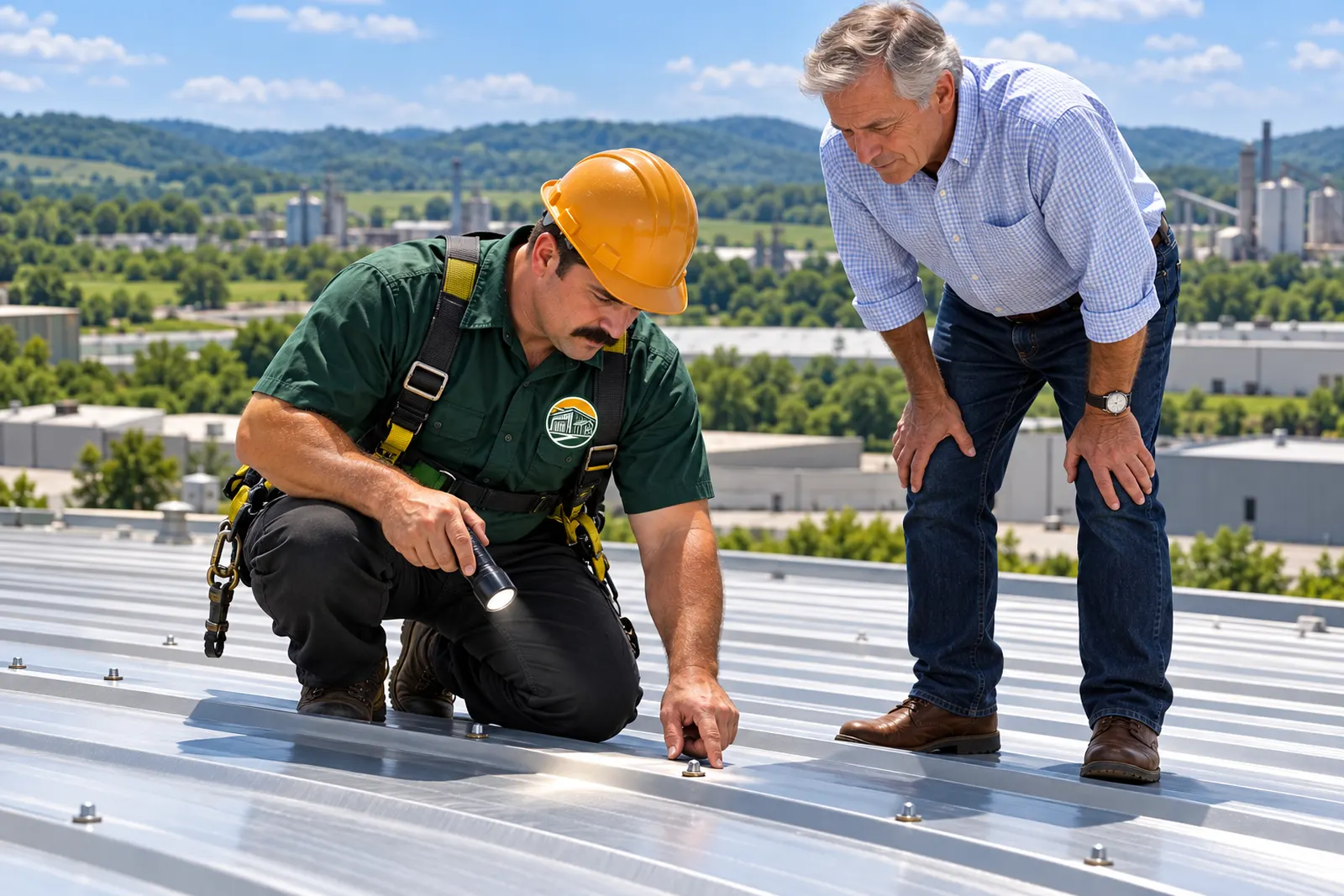
Shingle and coating maker guidance, plus any terms on the existing shingles, are checked before quoting. Permit needs are confirmed with the office that covers the building.
PaperworkCracked pipe boots are replaced, step flashing and valley metal are resealed, and lifted shingles are fastened down so the coating goes over a tight surface.
On The Roof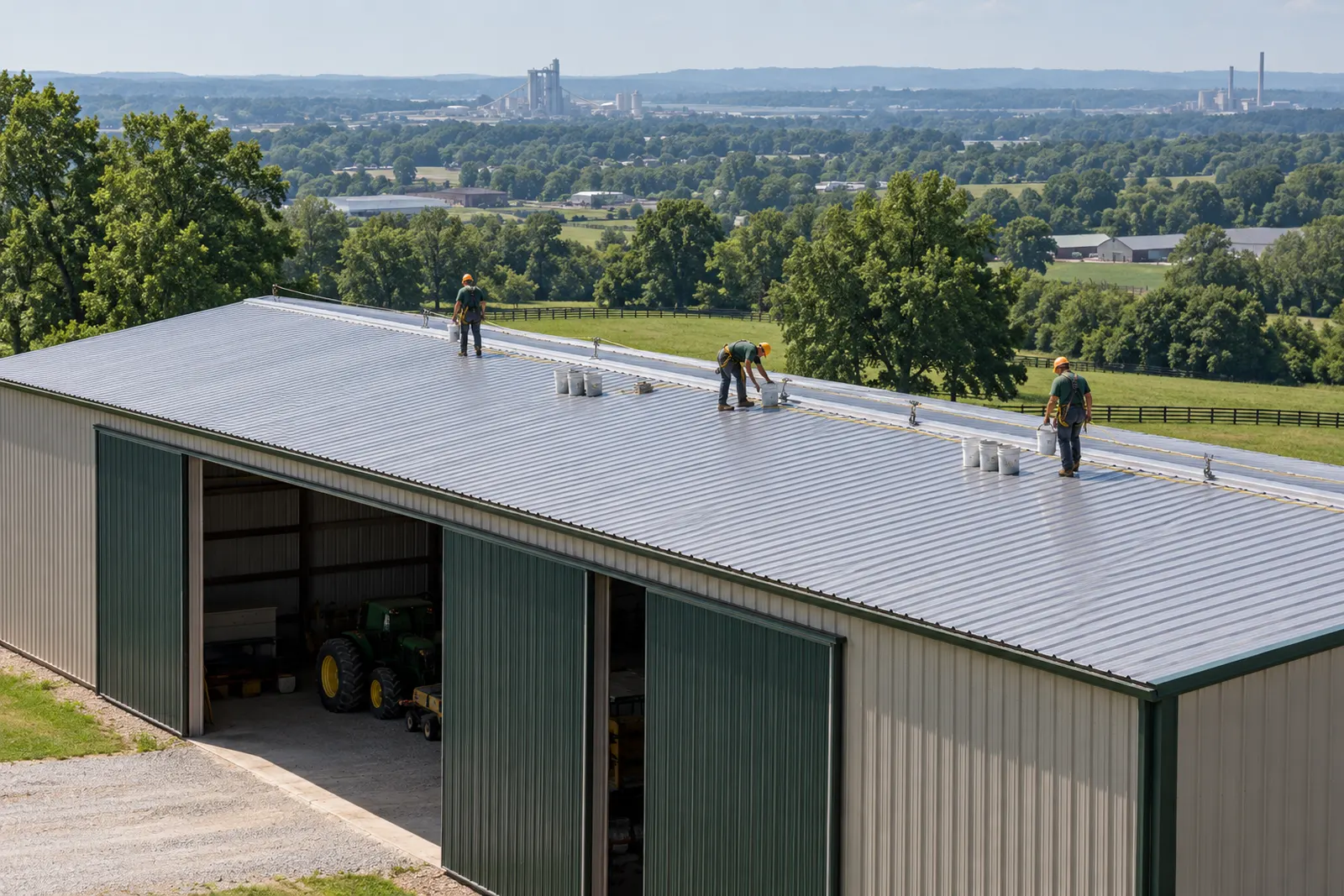
Low-pressure washing removes dirt and growth without stripping granules, and the roof dries fully before coating.
On The RoofThe approved coating is rolled or sprayed across the field at the maker rate, then gauge readings and photos are recorded for the owner.
On The RoofShingled buildings often carry metal or flat sections too.
Metal roof coating covers the steel canopies and back roofs that often sit beside a shingled front.
Silicone handles flat rear sections and low spots behind units on the same commercial building.
Acrylic is the bright, water-based choice for pitched metal additions on churches and offices.
Granules, maker terms, permits, and scheduling for commercial shingle roofs.
Yes, when the shingles lie flat, hold their granules, and the shingle or coating maker approves the product. Shingle coatings are thin, flexible products made for granulated surfaces. Curled or missing tabs and granule loss down to the mat show a roof near the end of its life, and terms on the existing shingles can be affected by coating.
Look at the gutters and downspout outlets after a rain. A handful of granules is normal; piles of them, or dark bare patches on the shingles, mean the asphalt is exposed. On the roof walk we check several sections, because sun-facing slopes and areas under downspouts often wear faster than shaded ones.
It can. Some shingle makers place conditions on coatings over their products, so any paperwork on the existing roof is reviewed before a quote. If the terms are still in force and coating would affect them, we tell the owner that before anything is applied.
Coating-only work is less likely to need a permit than re-roofing, and the answer belongs to the office covering the building. Inside Georgetown that is Georgetown Building Inspection; in Midway, Cynthiana, or Williamstown it starts with the county inspector. Have the roof area and coating product ready when you call.
Yes. Work is scheduled around services and events, with ladders and lifts kept away from entrances and parking spaces under the work cleared on coating days. Shingle coatings are rolled or sprayed in sections, so a church hall or office keeps running underneath while each section is finished.
Roof size, repair work at flashing and boots, roof height, and the product chosen drive the cost of a coating. New shingles add tear-off, disposal, and deck repairs. A free estimate after the roof walk puts both options side by side when the shingles are borderline.
A roof walk answers it. Request a free estimate and tell us about the shingle roof and any metal sections beside it.
Leave a name and number and we will call to talk through the leak, rust, or coating question. Or call us now at (502) 293-5467.